
Insulation Contractor in Terrace Heights, WA - Warmer Winters, Cooler Upstairs
C&D Yakima Insulation Solutions is an insulation contractor based in Yakima that works in Terrace Heights, sealing and insulating attics, crawl spaces and walls so upstairs stays cooler in summer and the floors warmer in winter.
- Licensed and insured.
- Free on-site estimates.
- Replies within 1 business day.
Terrace Heights homes as we see them on jobs
Most houses in Terrace Heights are lived in by the people who own them, with a fair number of rentals mixed in. That means our calls come from both sides, homeowners tired of a hot upstairs or a high power bill, and landlords who want a unit comfortable before the next tenant moves in. The houses span a range of ages, and the attic usually tells me more than the build year does. Sometimes it's a few inches of old fill that's settled flat, sometimes a top-up from years back with every gap still open, and sometimes a room over the garage that's never felt right.
The work looks a lot like what we do in Selah, and it starts the same way here, because on most of these houses the trouble is less about how deep the insulation is and more about what's under it and the air slipping past it.
Insulation services for Terrace Heights homes
Spray foam insulation
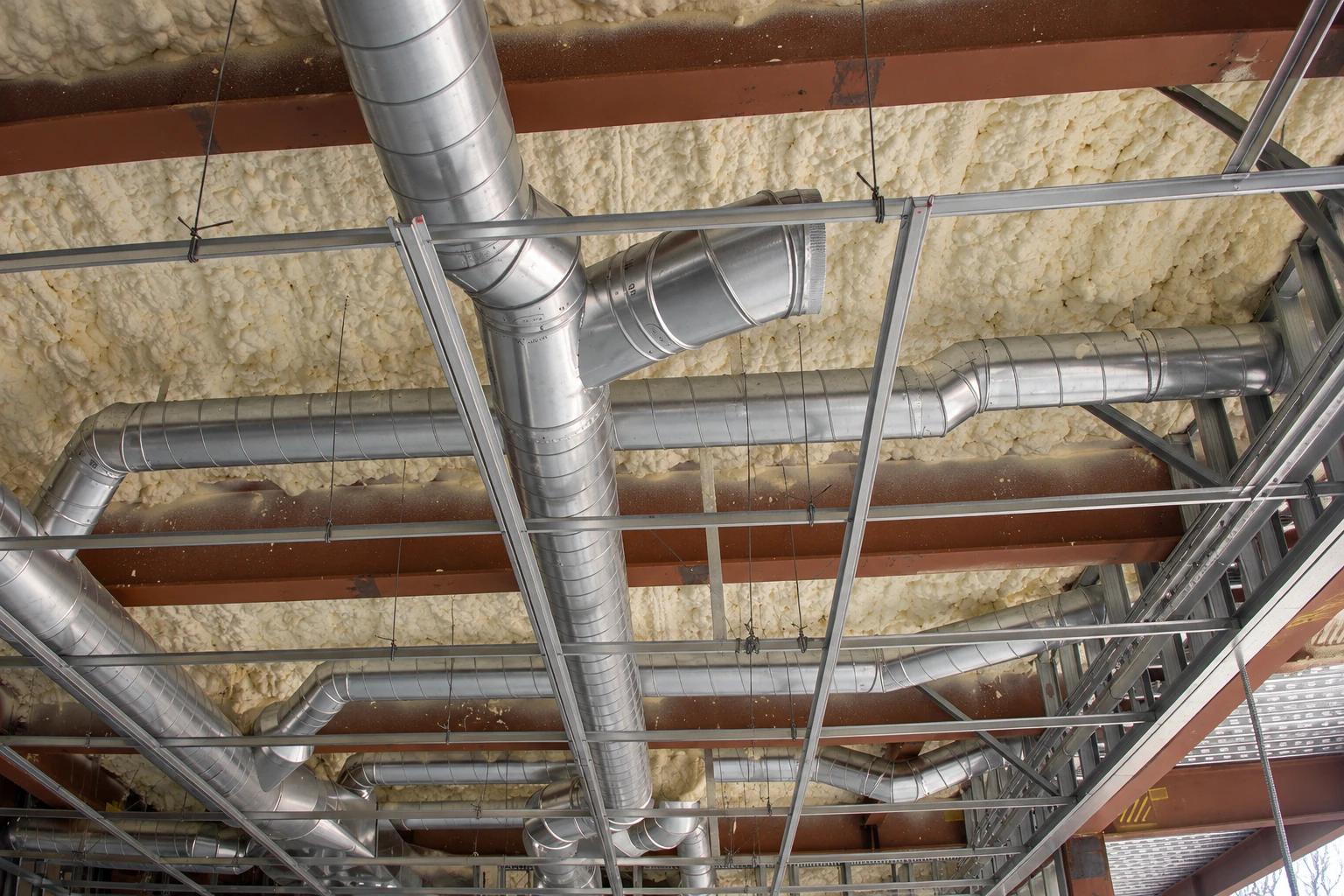
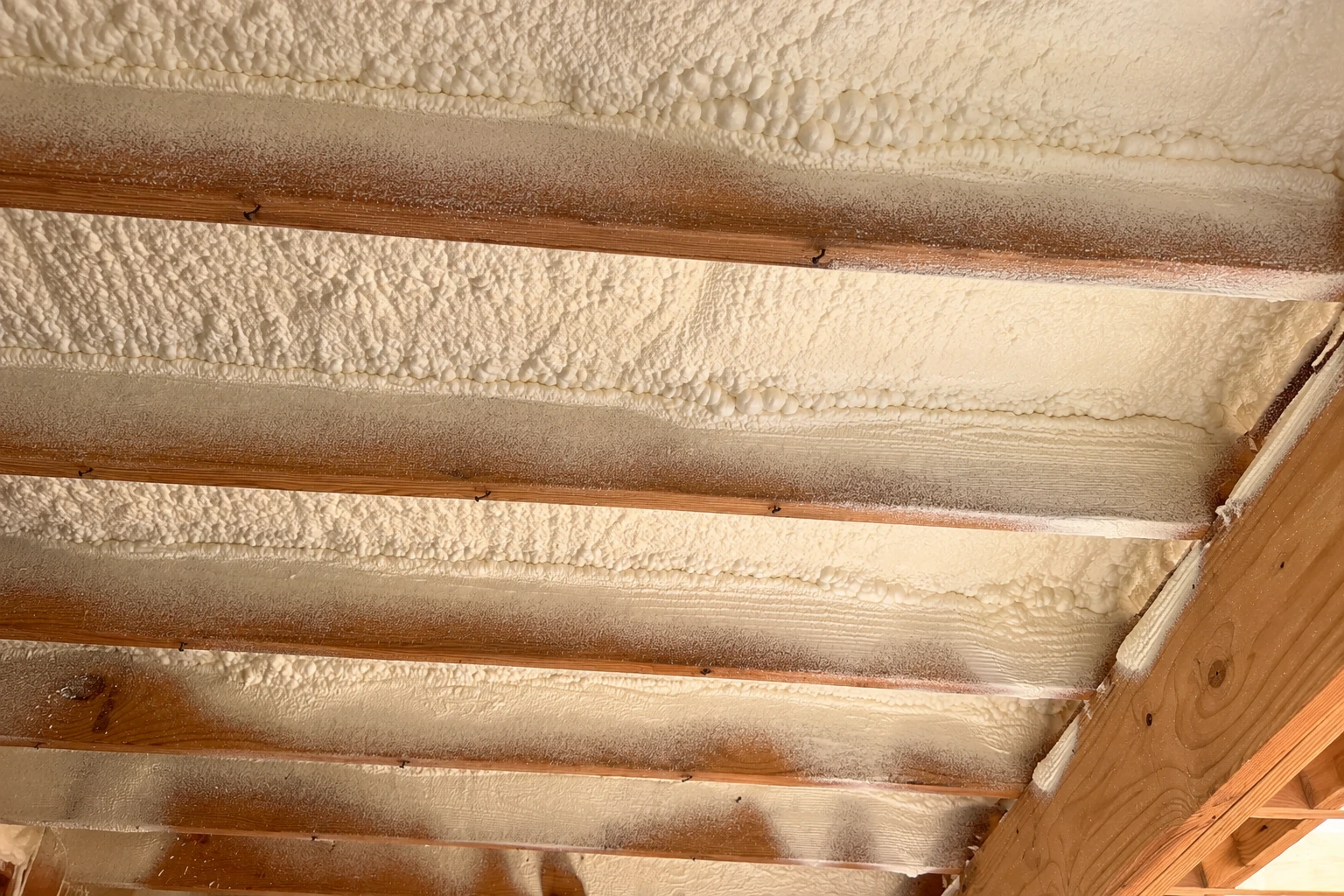
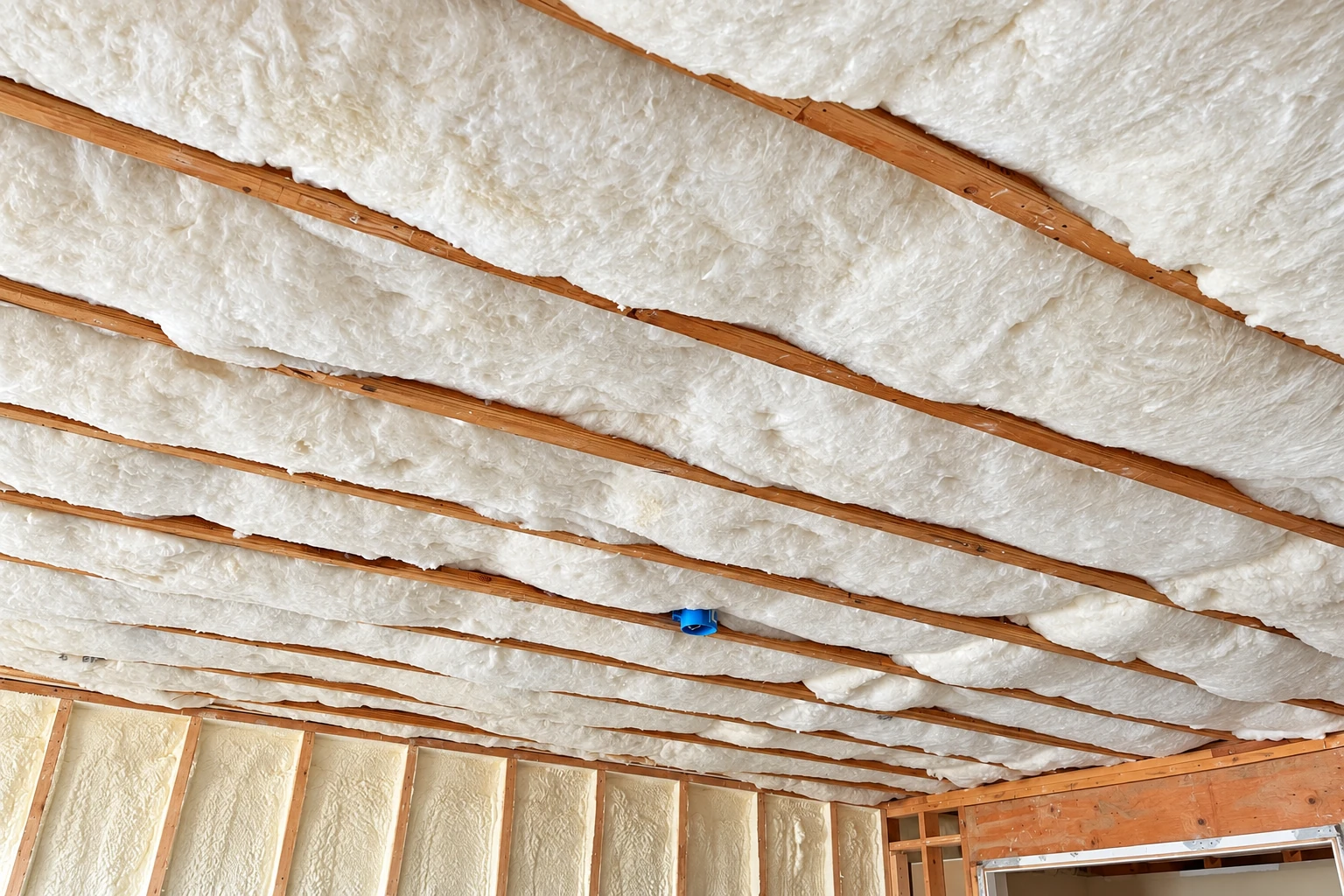
Spray foam seals and insulates in one pass, which helps along the top of the foundation wall where gaps are too many to caulk. It costs more.
Attic insulation
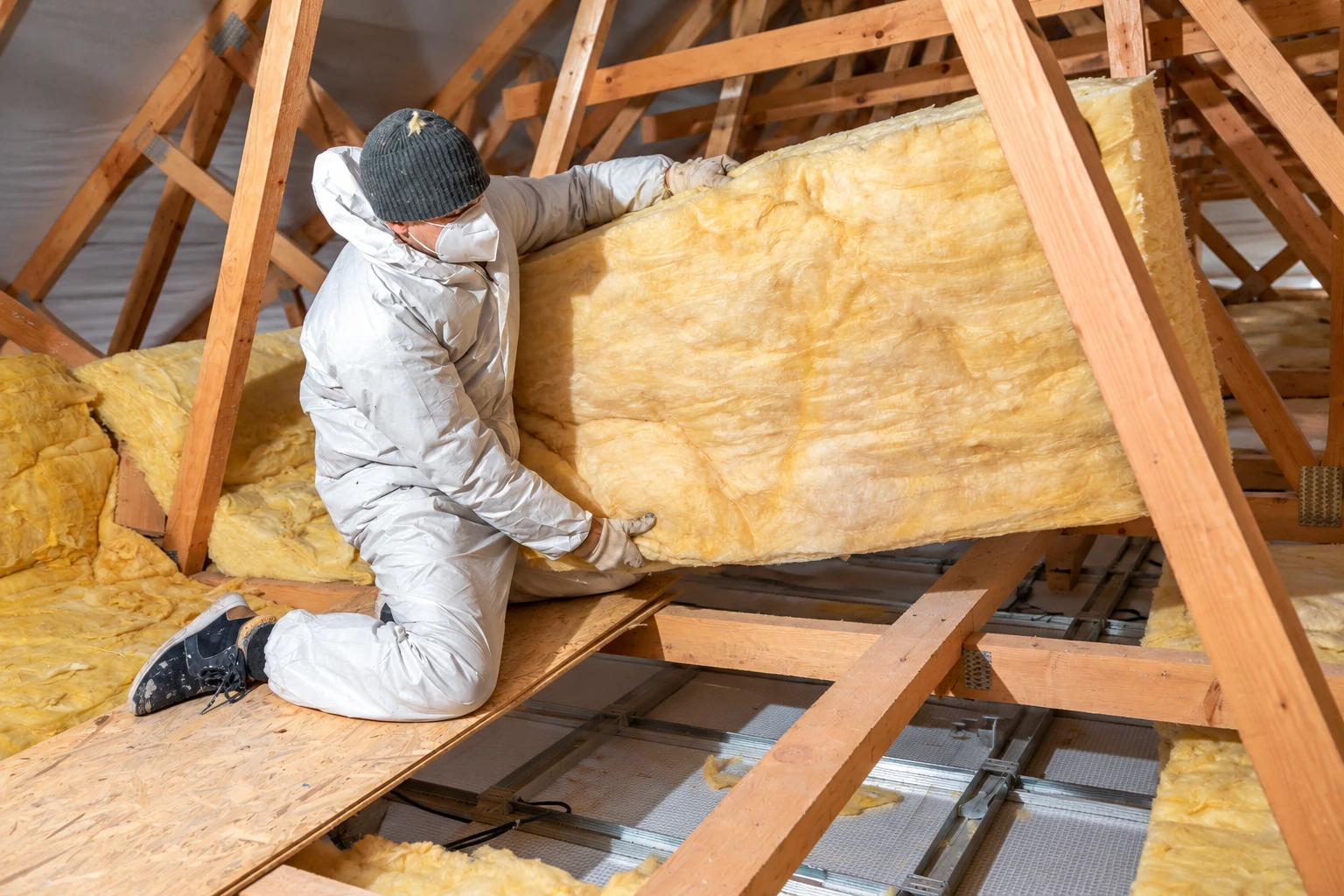
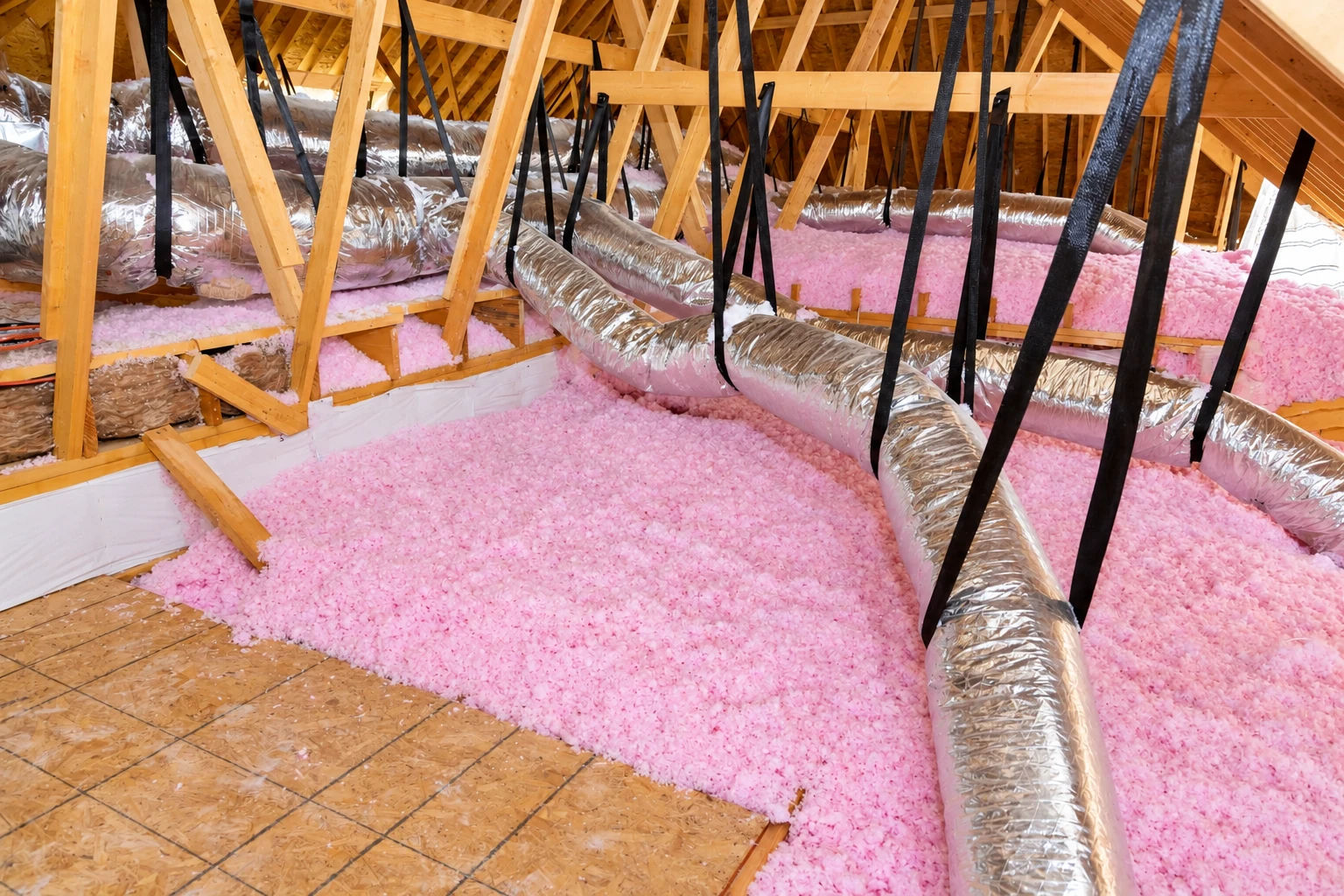
If upstairs bakes all summer, the attic is usually thin or uneven. We seal the gaps first, then bring the depth up evenly, edges included.
Blown-in insulation
Loose fill blown through a hose is usually the best value for topping up an attic that already has a few inches of settled material in good shape.
Home insulation
For a house that's drafty in winter and hot upstairs in summer, we look at the attic, walls and crawl space together and fix them in the right order.
Insulation removal
When old attic insulation is wet or full of droppings, new material on top just buries the problem, so we bag it out first.
Crawl space insulation
Cold floors through a long freezing season usually start in the crawl space. We insulate under the floor or along the walls, depending on how it's vented.
Wall insulation
Older exterior walls that feel cold to the touch can often be filled from outside or inside without tearing them open, once I've checked what's in the cavity.
Air sealing services
Drafts around pipes, wires and the base of exterior walls make a room feel cold even with insulation, so we find and close them through the house.
Basement insulation
A basement that never warms up usually has bare concrete walls. We insulate them before you finish the space, so the room is usable through the cold months.
Closed-cell foam insulation
Closed-cell foam is dense enough to block moisture, so it suits damp crawl space walls and attics where the heating ducts run through the space.
Open-cell foam insulation
Open-cell foam is softer and lighter, good for filling odd-shaped cavities and the underside of a roof where moisture isn't a worry and quieter rooms are a bonus.
Commercial insulation
Property managers with shops or offices nearby call us about cold walls and high bills, and we plan the work around business hours where we can.
Crawl space vapor barrier
Bare dirt in a crawl space gives off moisture that ends up in the floor framing, so a sealed plastic ground cover goes down before any insulation.
Vapor barrier installation
In walls and basements, a vapor barrier on the right side keeps indoor moisture out of the insulation. On the wrong side, it traps that moisture inside.
Attic air sealing
Before new fill goes in, we seal around can lights, pipes, wires and the hatch, because insulation over open gaps still lets warm air slip into the attic.
Retrofit insulation
For older houses built with little or no insulation, we add it where it's missing, working around existing finishes, wiring and plumbing rather than gutting rooms.
Get a free on-site estimate for your Terrace Heights home
Send the form and we'll get back to you within one business day to set a time. I come out, look at the job and write up a free estimate, and there's no obligation.
- Based in
- Yakima, WA 98901
- Hours
- Mon–Fri: 8 AM–9 PM, Sat–Sun: 6 AM–9 PM
Working in Terrace Heights under county rules
Terrace Heights is unincorporated, so building permits here come from the Yakima County Building Division, which handles applications for alterations and additions, not from a city hall. If your job needs a permit, we take care of the application, and if we're not sure yet, I tell you that up front and find out. On permitted work the county's inspections usually include one for insulation, and final approval has to come before the space is used, so those visits can set the pace more than our crew does. Before you hire anyone, know that the state requires every construction contractor to register with the Department of Labor & Industries and be bonded and insured, and a contractor earning $12,000 a year or more needs a state business license through the Department of Revenue. We're licensed and insured.
What moves the price here is what moves it from Union Gap to Yakima itself: how many inches are already in the attic and whether they can stay, how much sealing the gaps take, how easy it is to get into the attic or crawl space, and whether foam makes more sense than loose fill. The schedule turns mostly on whether something has to be fixed first, like a roof leak, a damp crawl space or old wiring, and on a county inspection if the job has one. My written estimate gives you your own figure once I've seen the house.
Terrace Heights summers and winters on your house
One weather service report for the area counted 49 days at 90 degrees or hotter and 131 days that dropped to freezing or below, 4 of them to zero or colder, so an attic here works hard in both directions. In summer that heat soaks down into the bedrooms upstairs, and in winter heated air rises out through every gap around lights, pipes and the hatch, which is why we seal those gaps before adding a single inch.
Under the house, a crawl space with bare dirt and sagging batts means cold floors and damp framing. We put the ground cover down there before insulating, and up top we keep the vents along the eaves clear and run the coverage full depth out to the edges, where it's usually thinnest.
What to expect when you call us in Terrace Heights
Here's how a job runs from your side, from the first call to the walk-through at the end.
Call or send the form
Tell us what you're noticing, a hot upstairs, cold floors or a power bill that keeps climbing, and we'll call back to set a time for me to come out. Our hours run into the evening and through the weekend, so the visit can fit around your work.
I look and write it up
I come out myself, go into the attic or crawl space and show you what I find, including any leak or damp spot that has to be fixed first, so it helps if you're home. The estimate breaks the work into its parts, so you can see what each one adds before you decide.
We seal first, then insulate
Our crew handles the prep and the air sealing, closing the gaps where air leaks through, and then puts the insulation in while I check the work as it goes. If your job has a county permit, the inspection fits in here.
We walk through it together
Before we leave, I go over the finished work with you so you can see the sealed gaps and the depth for yourself. Ask anything you like, and I'm happy to explain it twice or sketch it on the back of the estimate.
Questions about insulation in Terrace Heights
Do I need a permit to insulate my house in Terrace Heights?
Don't assume you're exempt, because the county's list of work that needs no building permit names painting, flooring and fences and doesn't mention insulation. When insulation is part of a remodel or an addition, it usually goes in under that permit. A county permit expires if 180 days pass after the last inspection with no new inspection and no approved extension, so a permitted job shouldn't be left sitting.
How do I find out whether Yakima County handles permits for my address?
Look up your parcel on the county's What's My Jurisdiction map, which shows which government serves it. That tells you which office to ask about a permit, and I check it too before writing up a job that might need one.
How much does it cost to insulate an attic in Terrace Heights?
The price comes down to what's already in your attic and what has to happen before new insulation goes in, so I give you a figure only after I've been up there. Old fill that's wet or full of droppings has to come out, and lots of open gaps take more sealing time. Foam costs more and seals air as it insulates, but sealing the gaps and topping up with loose fill usually gives you more for the money, unless your ductwork runs through the attic.
What does a contractor have to give me before an insulation job in Washington?
On any residential job of $1,000 or more, the state requires the contractor to give you a written disclosure notice to customers set out by the Department of Labor & Industries. Eligible homeowners can also apply for recovery payments for money lost to a contractor's work, which became possible in July 2026.
Who issues electrical permits if my attic wiring needs work before insulation?
Electrical permits come from the Washington Department of Labor & Industries, not the county. Old wiring should be sorted out before insulation goes over it, because covering a problem only hides it, and I'll tell you plainly if that has to come first.
What causes cold floors and a hot upstairs in Terrace Heights homes?
Cold floors usually trace back to an uninsulated or damp crawl space, and a hot upstairs to an attic that's thin at the edges or leaking air around lights and the hatch. With the heat and hard freezes we covered above, both show up here every year, and closing the gaps first is what lets new insulation do its job.
Book your Terrace Heights insulation estimate
Call (509) 517-6081 or send the form, and you'll know what's in your attic and what it needs, even if you decide to wait.